
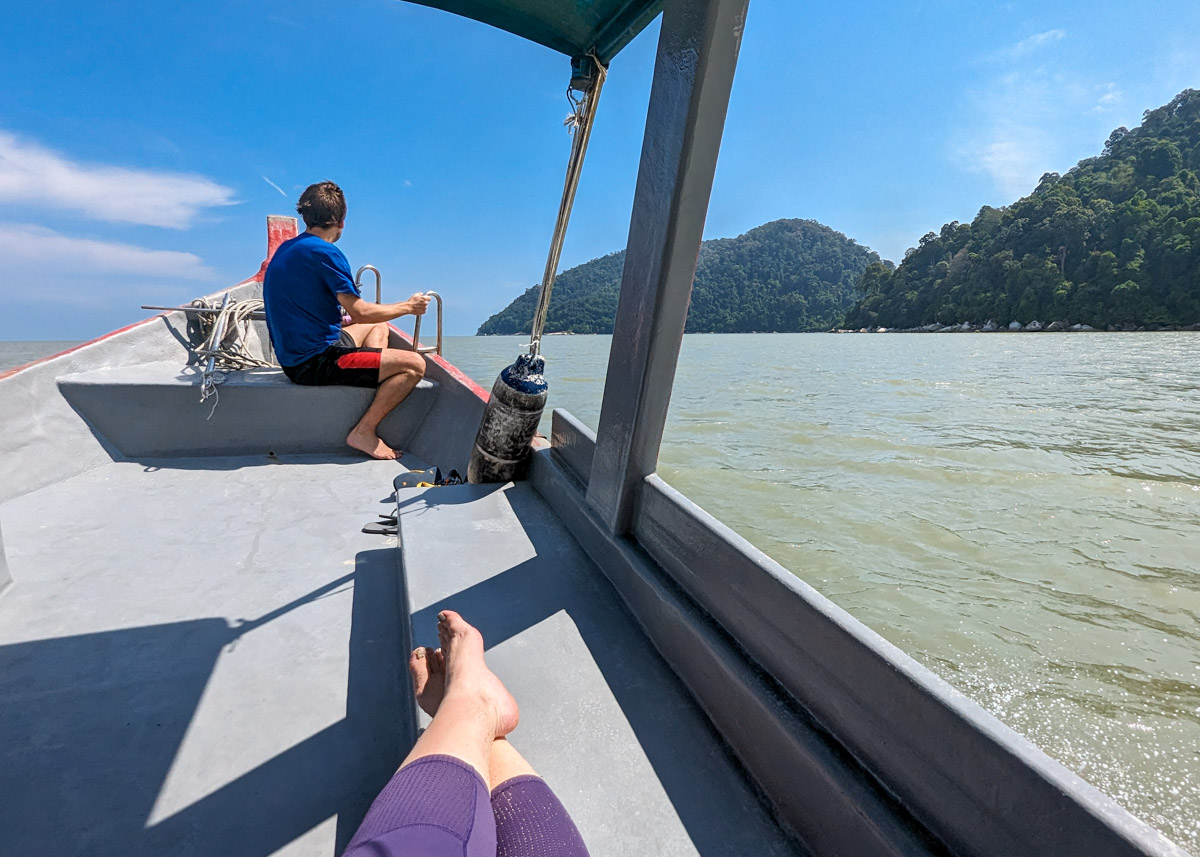
Although there’s no bad time to visit Penang, tropical weather and religious festivals mean there are still a few things you should consider before choosing when to visit.
The sparkling tropical island of Penang has always been a year-round destination, avoiding as it does many of the extreme weather events that can plague other Southeast Asian tourist hotspots. The temperature remains in the ‘hot, humid but manageable’ category, and the short storm of the rainy season never puts too much of a dampener on proceedings.
Penang is always beautiful and a delight to visit, but are there times when it’s even more so? As residents who experience the island throughout the year, we can share insider advice on the best time to visit Penang and the key factors to consider when planning your trip.
How much will the heat impact your trip to Penang?
Penang has a tropical climate, so temperatures remain fairly consistent throughout the year, without the extreme heat found in some other parts of Southeast Asia.
Midday temperatures often rise above 30°C, making it more comfortable to plan outdoor activities for early mornings or cooler evenings. Air conditioning is a must, whether in cafes, shops, or hotels, to stay comfortable during the hotter parts of the day. For ideas on what to do indoors when it gets warm, check out our guide to the best indoor activities in Penang.

In logistical terms for your visit, it just means you need to plan your days with some more care, aiming to be indoors between the hours of 12.00pm and 3.00pm. If you’re staying in accommodation with a pool or access to the beach, this is the ideal time to enjoy those facilities alongside a leisurely lunch and a glass of something cold.

Should you actively avoid the rainy season?
READ: Visiting Penang in the rainy season
Penang has a rainy season but, by regional standards, it’s less severe and has less of an impact on your visit than you might be led to believe. The months of September, October and November enjoy/suffer the greatest amounts of rain and you should plan for some wet weather on most days during these months. Although do note that historically the rainy season commences towards the end of September.

Occasionally, a significant storm will blow in and cause localised flooding and disruption. In general, visiting Penang during the rainy season is still pleasant, and you will notice fewer tourists during these months. The temperatures are also slightly lower during the rainy season, so it will suit visitors who tend to suffer in the heat.
While some people tend to overstate the negative impact of tropical rainstorms, our view is that the weather won’t have a significant impact on your trip, and there are no periods during the year that you should actively avoid due to the weather.

Haze in Penang
READ OUR GUIDE: Haze in Penang
Haze is an occasional issue in Penang, with the risk generally highest during August to October when prolonged dry conditions can coincide with fires in Indonesia. It doesn’t happen every year, though, and the severity varies considerably.
If you’re visiting during these months, it’s worth checking the air quality alongside the weather forecast, particularly if you have lots of outdoor activities planned. Rain can clear the air, and the haze usually becomes less of a concern once the wetter weather arrives.
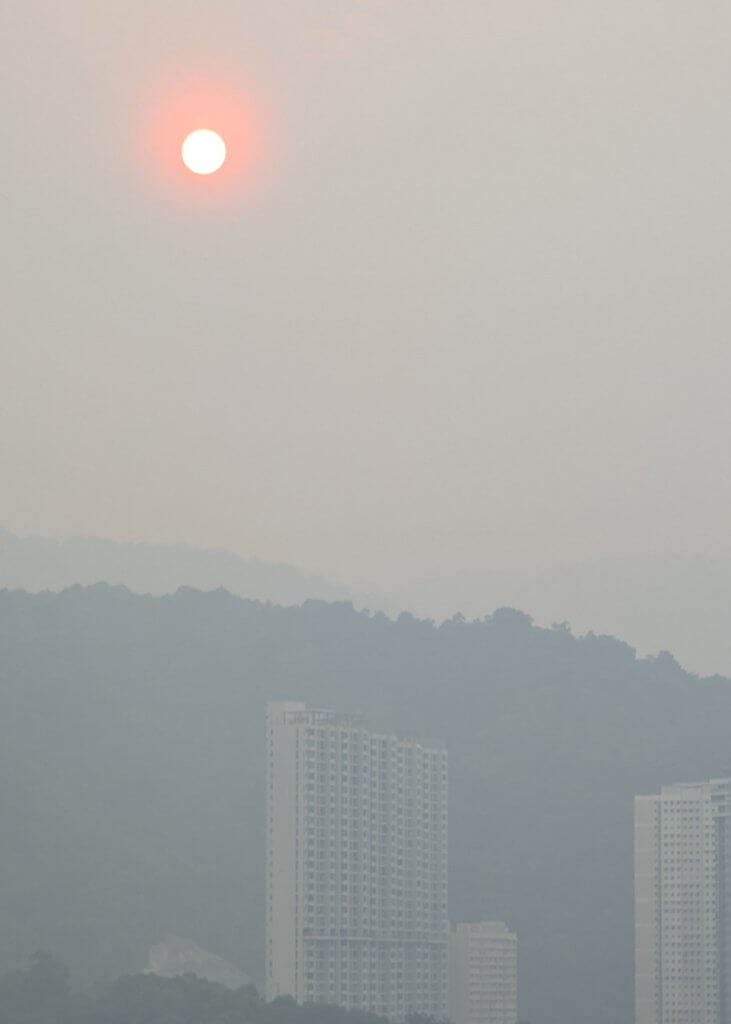
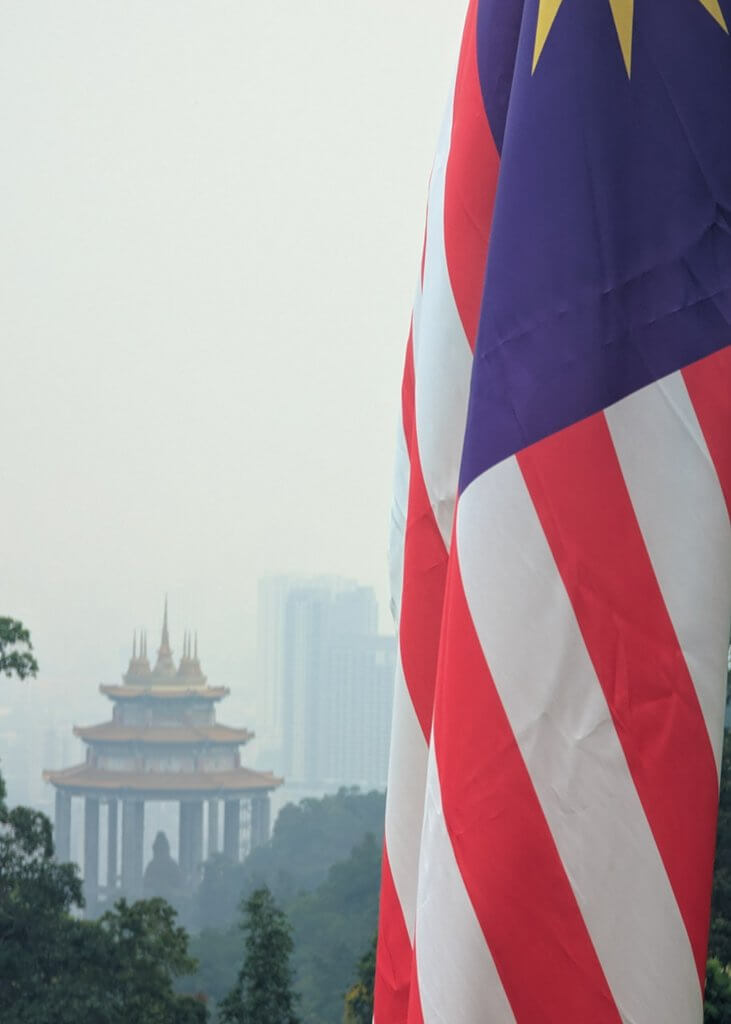
For the best chance of clear blue skies, January and February are generally a good bet. See our full guide to haze in Penang for more information and advice on checking air quality.
Religious festivals in Penang
READ OUR GUIDE: Penang Festivals
Penang is one of the most multicultural places in the world and this is reflected in the large number of religious festivals taking place throughout the year. These festivals can have a positive and negative effect on your visit and for some people, they are a factor on their decision of when to visit Penang.
The religious festivals are often when Penang is at its most vibrant, energetic and intoxicating, so they’re undoubtedly an exciting time to visit, and you’ll be left with vivid memories of the island, the people and their traditions. However, they can also be some of the busiest and most crowded times to be on the island, with the associated increase in accommodation and transport prices.
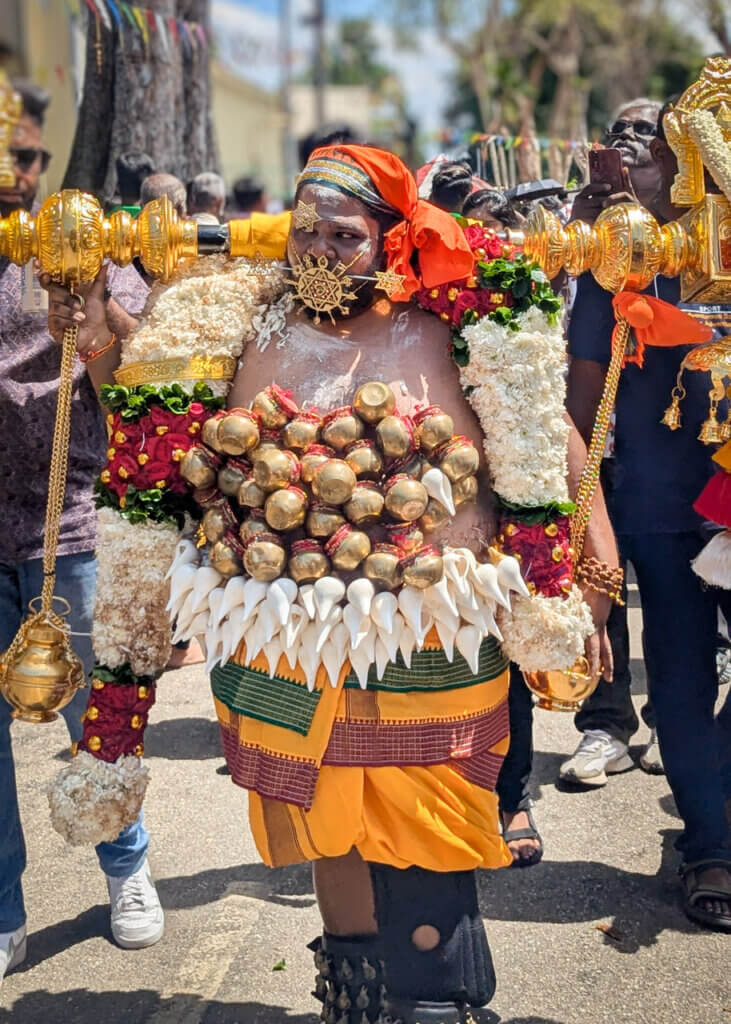
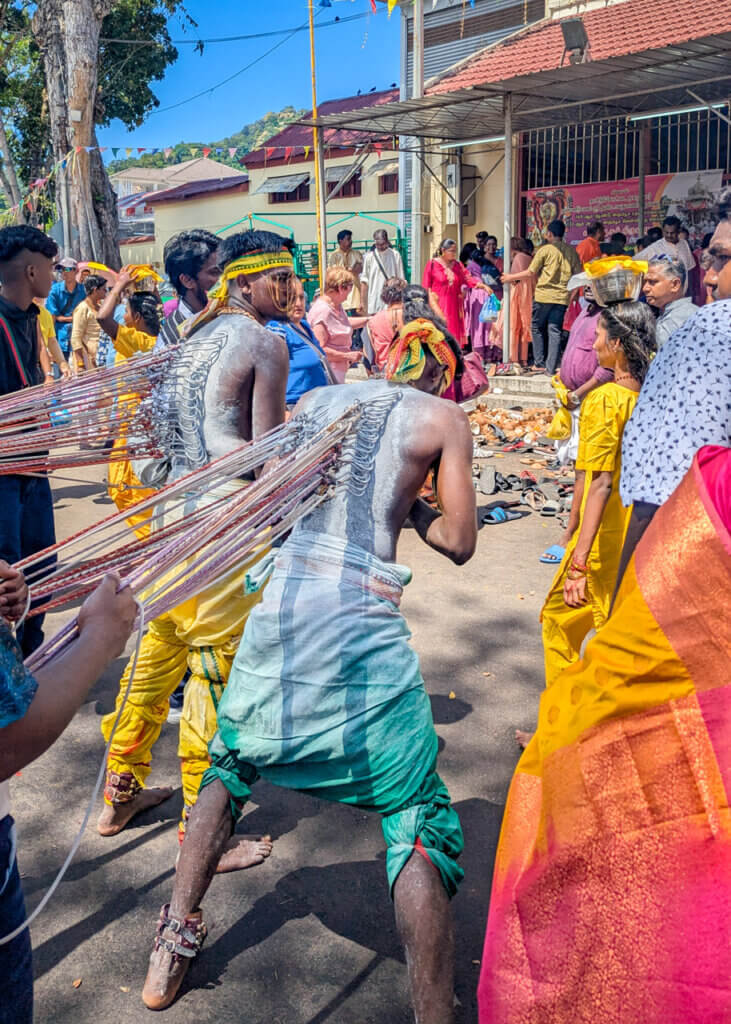

There are multiple religious festivals and events taking place in Penang throughout the year, but the largest and most significant include:
Note that most of the festival dates are determined by lunar phases, so the exact dates vary from year to year.
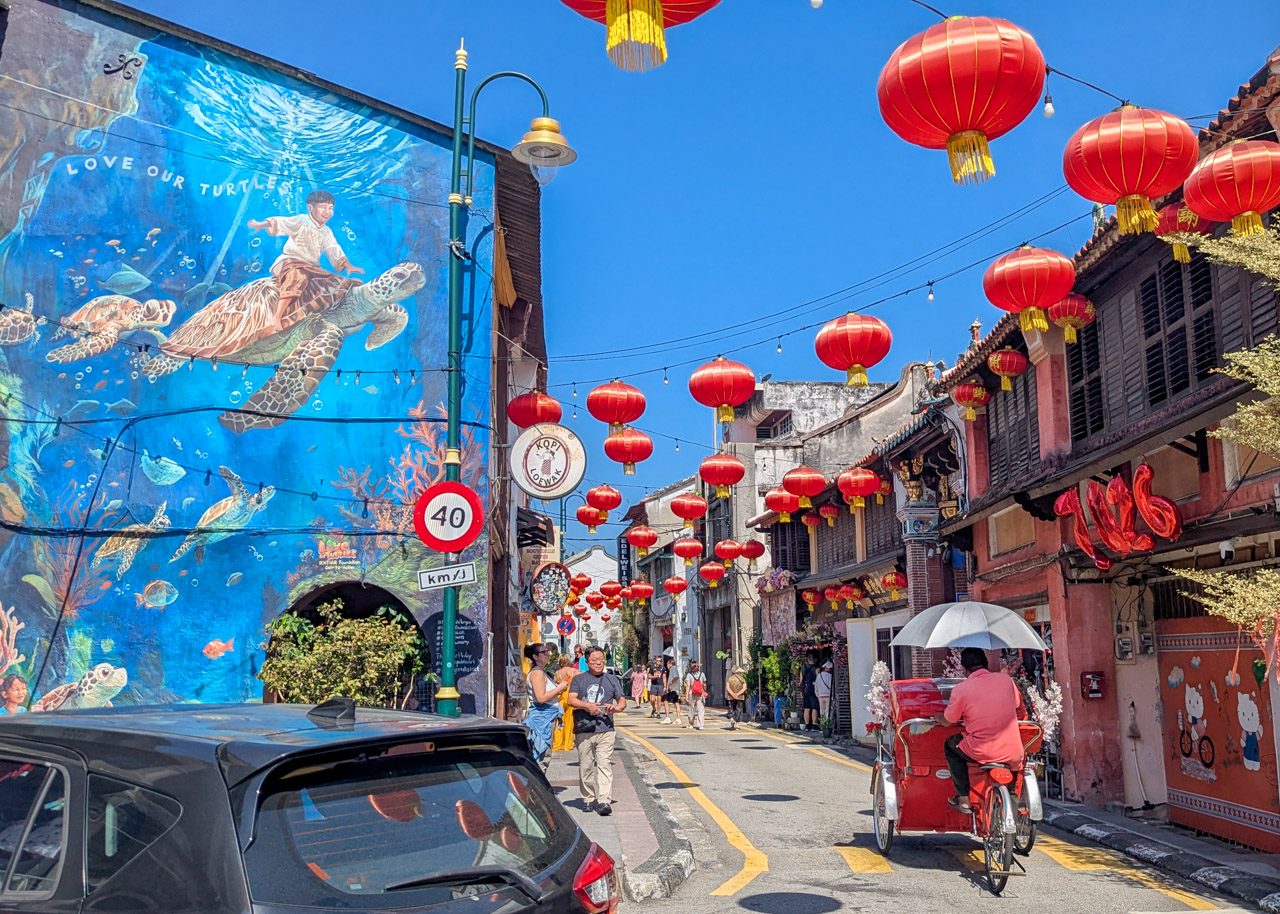
- Chinese New Year: large, colourful festival attracting huge crowds to the island in February. Due to the large Hokkien population on the island, you may notice more places operating under a reduced holiday timetable. Kek Lok Si Temple is a spectacular sight during this period.
READ OUR GUIDE: Chinese New Year in Penang
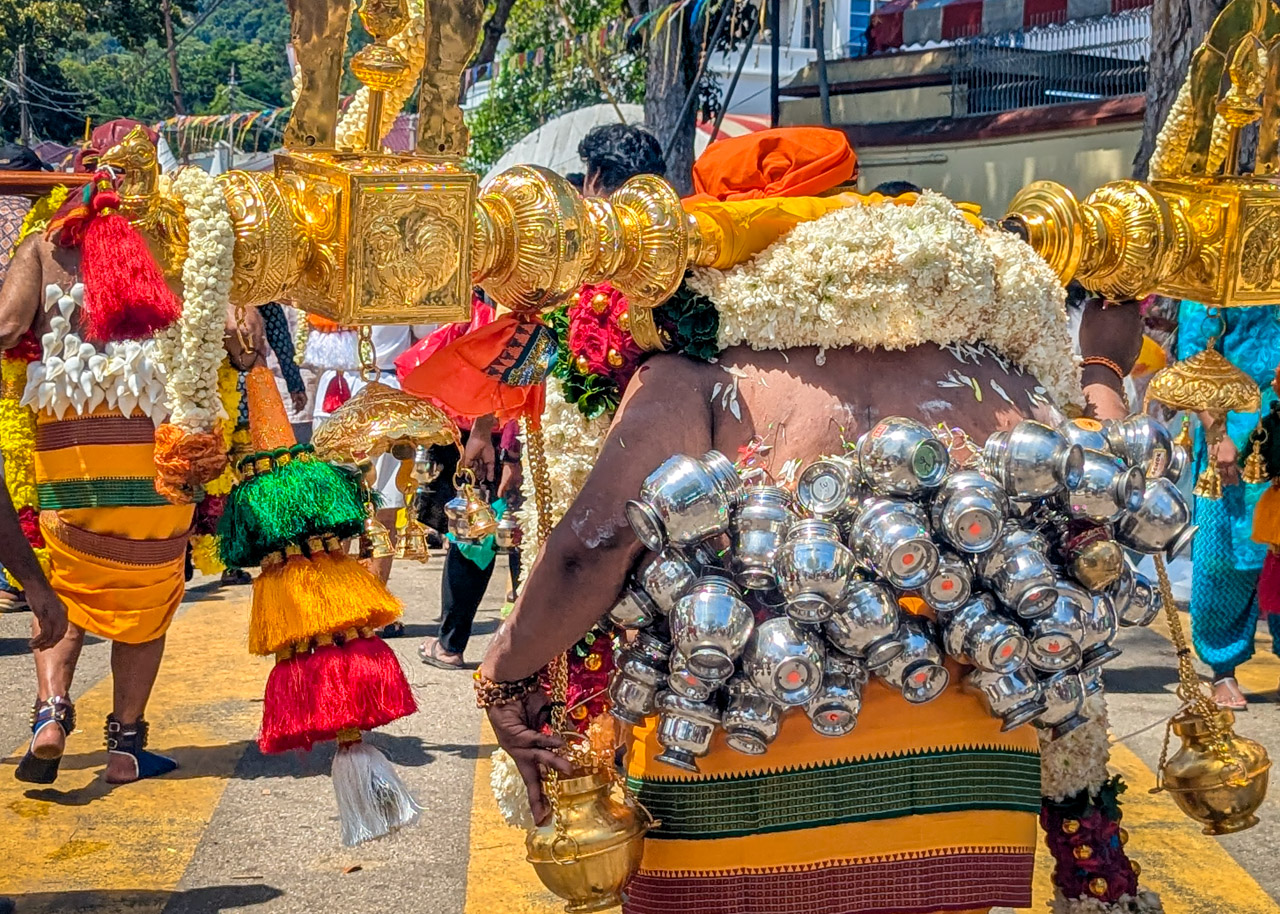
- Thaipusam: Hindu festival, of particular importance to the Tamil community in Penang, marked by large-scale processions and various associated rituals. George Town and the area around the Waterfall Hill Temple is especially busy during this time. Thaipusam falls in January in 2027.
READ OUR GUIDE: Thaipusam in Penang
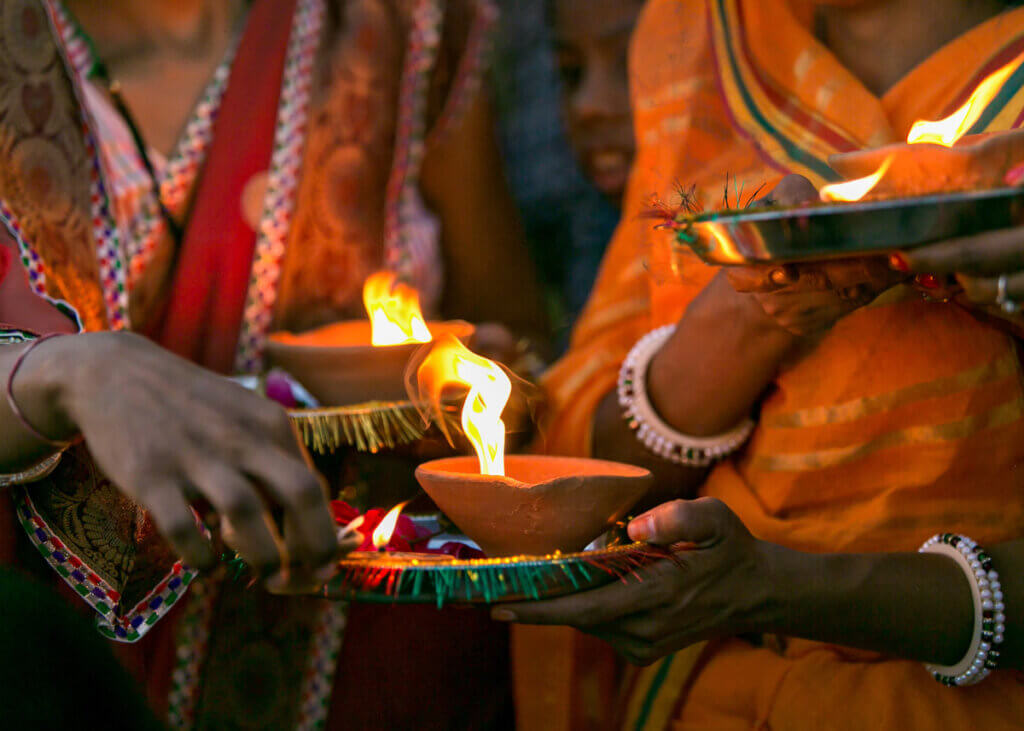
- Deepavali: In late October or early November, the Hindu festival of lights is another major festival drawing in the crowds and bringing life and colour to the island.
READ OUR GUIDE: Deepavali in Penang
- Hari Raya Aidilfitri: Known as Eid al-Fitr in some other countries, the end of Ramadan is a time of celebration in Penang, when people often dress in traditional clothing and return to their hometowns.
READ OUR GUIDE: Ramadan in Penang

Month by month in Penang
January – Peak season with clear blue skies and comfortable temperatures, but expect crowds and road closures when Thaipusam falls.
February – One of the driest and sunniest months, with Chinese New Year and often Ramadan adding festival energy.
March – Warm and increasingly humid, with fewer visitors once Chinese New Year is over, and lively evenings during Ramadan and Hari Raya.
April – The hottest month of the year at up to 34°C, with Western families visiting for Easter and no major festivals.
May – Intense humidity, heat warnings and stormy evenings, but a quiet month with few tourists and no big festivals.
June – The mini-rainy season eases, bringing more sunny days between short storms, high humidity and no festivals or crowds.
July – One of the drier months, with sunny days, durian season, George Town World Heritage City Day and the Penang Hill Festival.
August – Dry, sunny and popular with European summer travellers, with the George Town Festival and Merdeka Day, but haze is the big wildcard.
September – Hot and sunny early on, then building thunderstorms and a risk of haze, with Hungry Ghost, Mid-Autumn and Navaratri festivals.
October – Thunderstorms become more frequent as the rainy season arrives and haze can be a concern, with the Nine Emperor Gods festival, Navaratri and a little Halloween.
November – The tail end of the rainy season, with cloudy days, downpours and fewer crowds, plus the Dragon Boat Regatta and George Town Literary Festival.
December – Just after the rains, with clear skies, the lowest temperatures of the year, and crowds building towards Christmas and New Year.


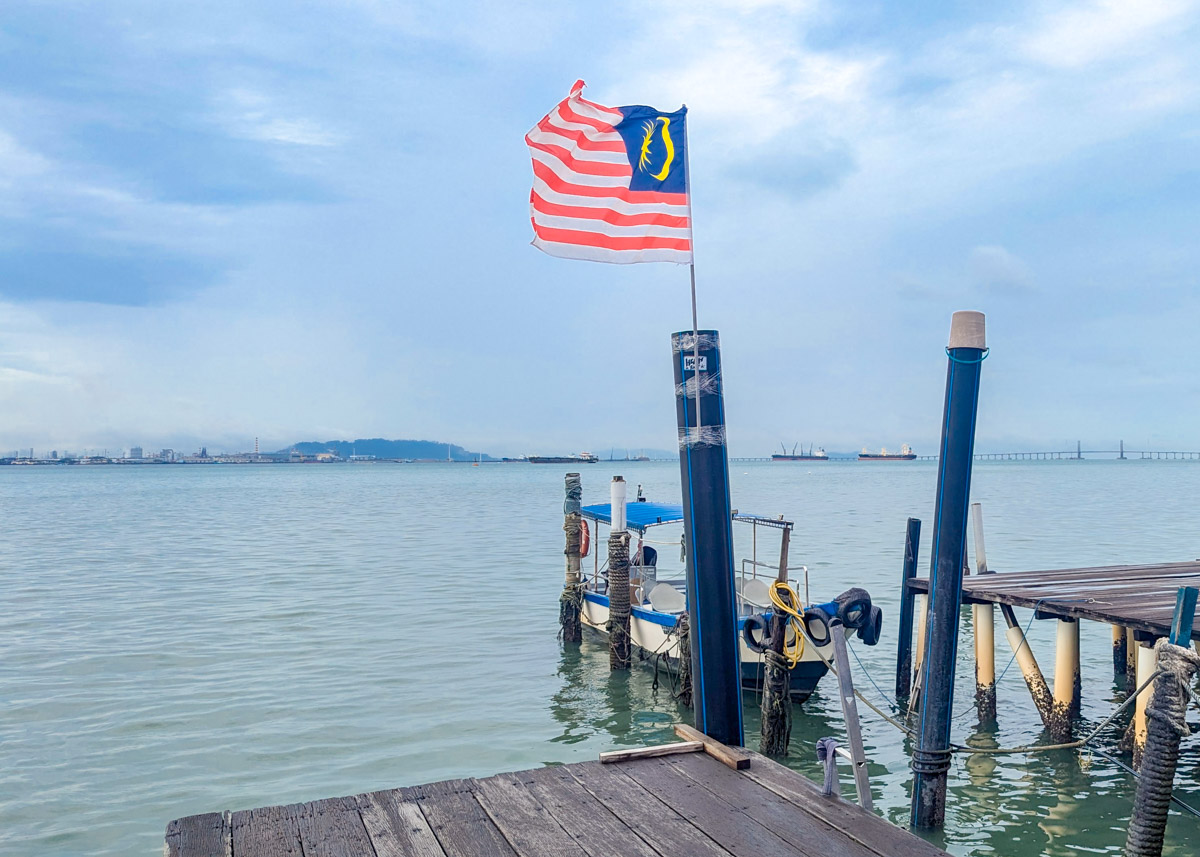


So, when is the best time to visit Penang?
Although neither the weather nor religious festivals are enough of a reason on their own to avoid a certain time of year, it’s important to factor them into your decision. In our opinion, the best time to visit Penang is December, January and February.
At this time of year, you’re more likely to see blue skies and fewer rainstorms (although they still occur), without the increased heat found during the months of April to August. However, do consider that Chinese New Year and Thaipusam usually fall at the start of the calendar year.
We personally believe that the incredible spectacle of these Penang festivals, combined with the increased vibrancy of the island, mean these are exciting times to visit, and more than outweigh the problems you might face with increased crowds.
Finally, if you’re travelling with a family and find yourself tied to European summer holiday dates, Penang makes an excellent option in July and August as it’s not the rainy season!
On Penang ebook
Updated for 2026, the On Penang ebook is the only travel guide you need for exploring the island of Penang. It is jam-packed with inspiration on what to do, where to eat, where to stay, and also includes a step-by-step self-guided walking tour of George Town (with photos).
This is a PDF download for use offline and on the go (and ad-free!). Save it to read on the plane to Malaysia, download to your phone to follow the self-guided walking tour, or print it off at home before you leave on your adventures and highlight all the bits you want to remember for your visit.
-
 Product on saleOn Penang ebookOriginal price was: £16.95.£6.78Current price is: £6.78.
Before your go, check out these useful reads for your visit:
The best things to do in Penang
14 BEST restaurants in Penang
Top tips for visiting Penang
One day Penang itinerary
Best hotels in Penang
How to get around Penang
A brief history of Penang
